AI Inventory Forecasting Keeps DTC Shelves Stocked and Costs Down
When Virality Disrupts Your Supply Chain
Viral moments can be a double-edged sword. One minute, a creator’s video sends your product soaring; the next, your warehouse echoes with emptiness. An unexpected surge can derail even the best-laid plans (Dashboardly). And let’s face it, a “sold out” sign in the middle of a campaign is every DTC founder’s worst nightmare.
 Yaroslav Lugovatsky
Margins are tightening, with high interest rates and volatile logistics costs adding pressure (Stormy AI). As one retail guru noted,
 Stormy AI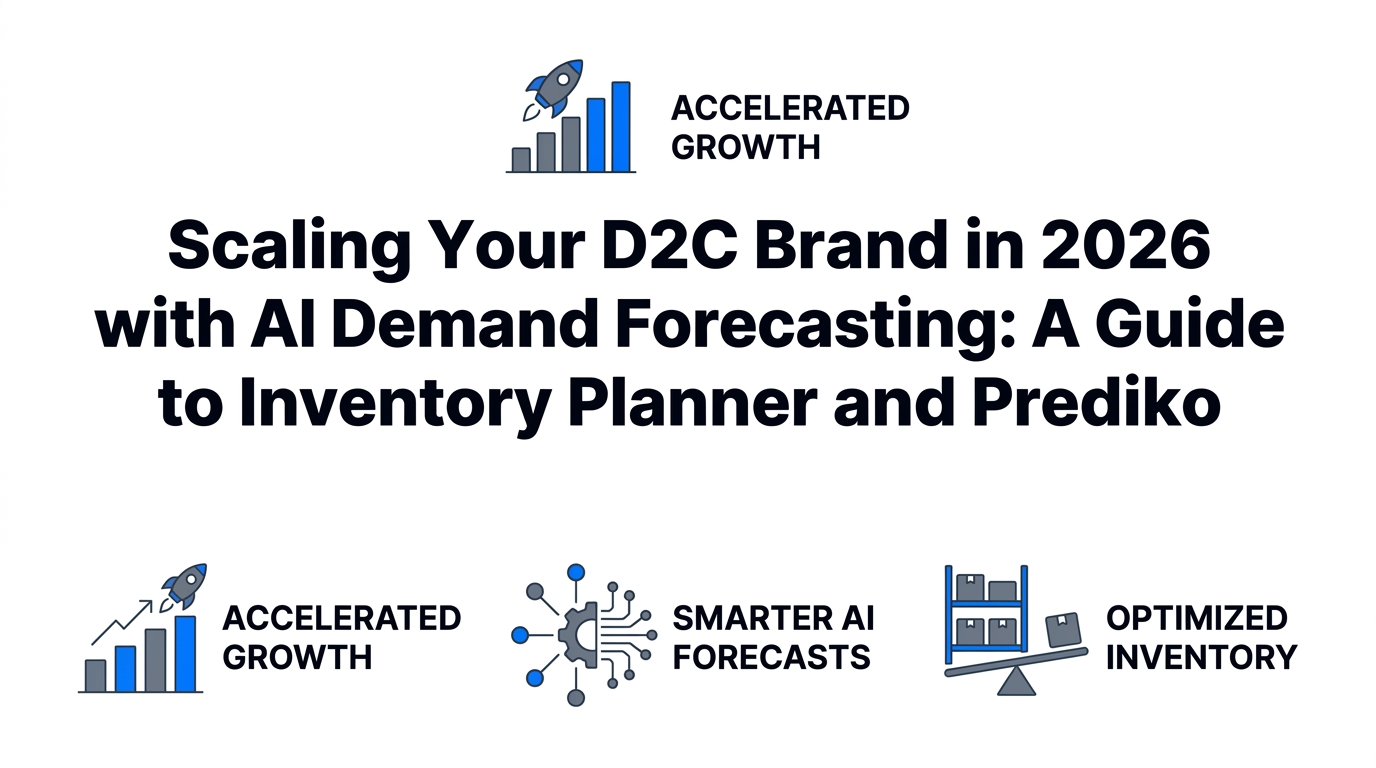
As one retail guru noted,
"Retail doesn’t fail from low sales. It fails from inventory leakage" (LinkedIn).
JityAI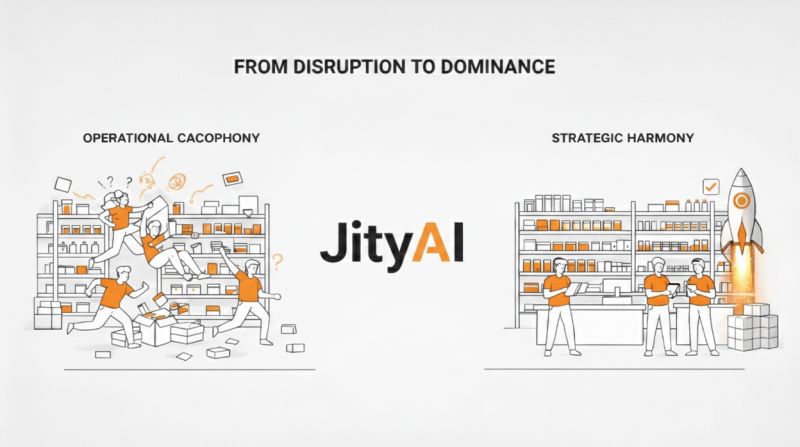
Enter AI inventory forecasting—a game-changer that predicts demand shifts before your spreadsheet can catch up. It’s your key to fewer stockouts, less idle cash, and a healthier bottom line.
The Cost of Stockouts and Overstocks—And Why You Should Care
Stockouts and overstock can both devastate profits, each in their unique way:
- Stockouts: These lead to lost sales and diminished customer loyalty. When a key SKU runs dry, it’s not just today’s sale that’s lost—it’s future orders, LTV, and possibly your retail partners’ trust (Drivepoint). Plus, missing data makes the next forecast even shakier.
 Austin Gardner-Smith
- Overstock: This ties up capital in unsold goods. Excess inventory incurs storage fees and eventually requires margin-eroding discounts (Drivepoint).
Mismanaged inventory is responsible for approximately 43% of lost sales in retail (Stormy AI). With ongoing supply chain issues and inflation, relying on gut instincts is riskier than ever.
“Without accurate forecasting, you’re constantly firefighting. You’re either sitting on six months of slow-moving inventory—or explaining to Target why you can’t fulfill their PO.”
— Austin Gardner-Smith, Drivepoint (Drivepoint)
Austin Gardner-Smith
In short, guessing means running out of what’s in demand while sitting on what’s not. That’s why savvy DTC brands are turning to AI to optimize inventory and protect their margins in an unforgiving environment.
Why Spreadsheets and Instincts Are No Longer Enough
Even successful brands often rely on spreadsheets and gut feelings for inventory management. But with demand capable of flipping overnight due to viral trends or supply chain disruptions, the "last year plus 10%" model is outdated (Stormy AI).
Consider this: In fashion, forecast errors can reach 25–40% (Drivepoint). That’s not just a small miss—it’s your margin. Modern operators are ditching static spreadsheets for AI-driven models that analyze historical sales, ad spend, social buzz, and even the weather (Shopify).
Shopify Staff
If you’re still relying on manual forecasts, you’re not just slow—you’re exposed. By early 2025, 98% of companies plan to integrate AI into their supply chain for inventory optimization (Shopify).
The ROI of AI Forecasting: Real Results for Operators
Unsure if an algorithm can outperform your ops manager? Let’s talk numbers:
- Allbirds: Implementing AI-driven inventory planning improved their inventory turnover by 43%, reduced stockouts during peak by 67%, and boosted marketing ROI by 35% (ATTN Agency).
- Bright Body: Transitioned from gut-based planning to AI, slashing time spent on forecasting by 75% (Prediko).
 Bani Kaur
- Industry-wide: McKinsey notes AI-driven forecasting can reduce carrying costs by 20–30% annually (Drivepoint). For a $1M inventory, that’s up to $300K saved each year.
The takeaway? AI forecasting isn’t a luxury; it’s essential for profit and agility. As one review stated, “Most inventory teams aren’t short on data. They’re short on time and clarity” (Prediko).
Inventory and Marketing: The Power of Alignment
The real edge comes from syncing inventory and marketing in real time. Historically, these teams have been siloed, leading to campaigns pushing sold-out products or unnecessary discounts (ATTN Agency).
Modern AI changes the game:
- Live Feedback Loops: Inventory platforms now sync with ad accounts to adjust spend based on stock levels (Stormy AI).
- Dynamic Forecasting: Tools like Prediko incorporate marketing signals to refine inventory recommendations (Stormy AI).
“Over 40% of companies are now managing AI's inaccuracies. MIT Sloan advocates a human-AI framework to accept or adjust forecasts.”
(Shopify)
Shopify Staff
The Road Ahead for DTC Operators
In 2026, if you're relying on outdated spreadsheets for inventory management, you're not just behind the curve—you're at risk. AI-driven forecasting offers tighter cash cycles and a proactive approach, setting the stage for smarter, not just more, sales. The future belongs to those who blend data-driven insights with agile operations.
In a high-stakes market, AI can’t predict every anomaly, but it sure shifts the odds in your favor more than any spreadsheet ever will.
Stay sharp. Subscribe for weekly DTC operator insights. Because in this game, knowledge is inventory—and you can’t afford to run out.