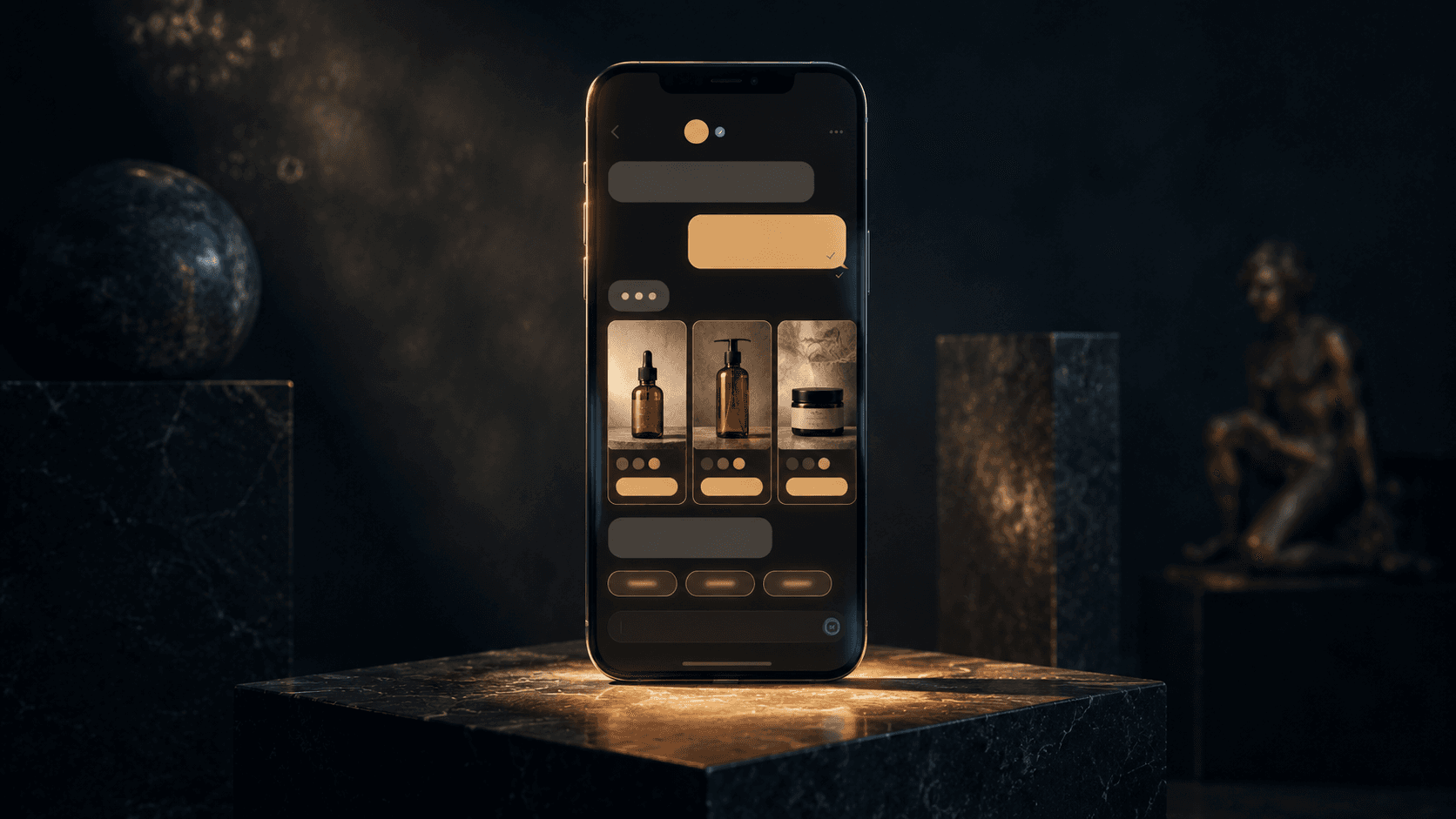
Micro-Influencer Gifting Yields Big Holiday Wins for DTC Brands
In the relentless world of holiday ecommerce, 2025 marked a pivotal shift for direct-to-consumer (DTC) brands: micro-influencer gifting evolved from a clever tactic to an essential strategy. Faced with escalating ad costs and fragmented consumer attention, savvy Shopify operators turned to niche creators instead of costly campaigns. The payoff? Authentic buzz, a surge in user-generated content, and record-breaking sales—all achieved with a fraction of the traditional marketing budget. Let’s delve into why this approach is reshaping the DTC playbook.
Social Platforms: The New Gift Guide
Gone are the days when shoppers relied on catalogs or commercials for holiday inspiration. Today, nearly 90% of consumers look to social platforms for gift ideas (LinkedIn). Influencers have seamlessly taken on the role of holiday curators.
 Stack Influence
This shift is more than just generating awareness. A significant 58% of shoppers intend to purchase items recommended by influencers on Black Friday/Cyber Monday (LinkedIn), and 73% of Gen Z consumers are poised to buy based on influencer endorsements (LinkedIn). Even more striking is that 21% of shoppers now buy gifts directly via social platforms—almost twice as much as the previous year (LinkedIn).
For DTC founders, this evolution is crucial: Social media is no longer just a top-of-funnel tool. With integrations on TikTok, Instagram, and Shopify, social commerce has become a direct pathway to purchase, with creators leading the charge.
Micro-Influencers: The Conversion Powerhouses
While celebrity endorsements have their place, for founder-led DTC brands, micro-influencers (those with 10,000–100,000 followers) offer unparalleled ROI. They blend authenticity with audience trust, driving measurable results.
Here’s what stands out: Creators aged 18–24 deliver campaigns with 48% higher performance than their older counterparts due to their relatability (MediaPost). Additionally, micro-influencers outperform both nano- and macro-influencers, offering up to 45% better campaign results (MediaPost).
 David Abbey
The secret sauce is trust. Micro-influencers build tight-knit communities around specific interests, whether it’s clean beauty or vegan snacks. Their audience listens when they speak, as one DTC marketing lead noted:
“Micro/mid-tier creators with the right audience often drive stronger engagement than bigger accounts” (LinkedIn).
This trust directly translates into Q4 sales.
 #gifted
Gifting Campaigns: High ROI on a Modest Budget
For budget-conscious founders, this is where the numbers get compelling. Instead of spending $50K on a single macro-influencer, smart brands opt to send 50 PR kits to micro-influencers, incurring only product and shipping costs. Even if only half of them post, the ROI can surpass traditional ads.
The data supports this: Micro- and nano-influencer campaigns deliver a 20:1 ROI, far exceeding the 6:1 average of big-name influencer efforts (LinkedIn). Why? Their content feels genuine and is organically shared, avoiding the fatigue associated with paid ads.
Moreover, effective gifting programs can reduce acquisition costs by up to 61% and lower CPCs to $0.05 (MediaPost). Each creator’s post populates your remarketing funnel with warm, qualified audiences. Unsurprisingly, influencer budgets increased by 171% in 2025 as brands leaned heavily into this approach (LinkedIn).
Big brands are taking notice too. Airbnb saw a 30% increase in bookings through micro-influencer campaigns last holiday season (LinkedIn). If it works for them, imagine the potential for a focused DTC brand.
Case Study: GlowBerry’s 5× Holiday Growth
Let’s dive into a real-world example. GlowBerry, a (fictional yet plausible) Shopify beauty brand, embraced micro-influencer gifting. With a tight budget and a goal to capture Gen Z’s attention, GlowBerry identified 50 niche skincare creators on Instagram and TikTok, sending each a personalized, “no-strings” holiday kit filled with full-size products, thoughtful notes, and fun extras.
The outcome? 30 creators shared unboxings or holiday routines featuring GlowBerry, sparking a wave of site traffic and sales. By the season's end, GlowBerry’s revenue soared 5× year-over-year, Instagram followers tripled, and conversion rates from social traffic increased by 60% (SocioCreator). Co-founder Tara Mehta encapsulated their success:
“We didn’t have the cash to hire celebrities or run big ad campaigns. So we bet on real people with real influence—and it paid off.” (SocioCreator)
 Devansh Kushwaha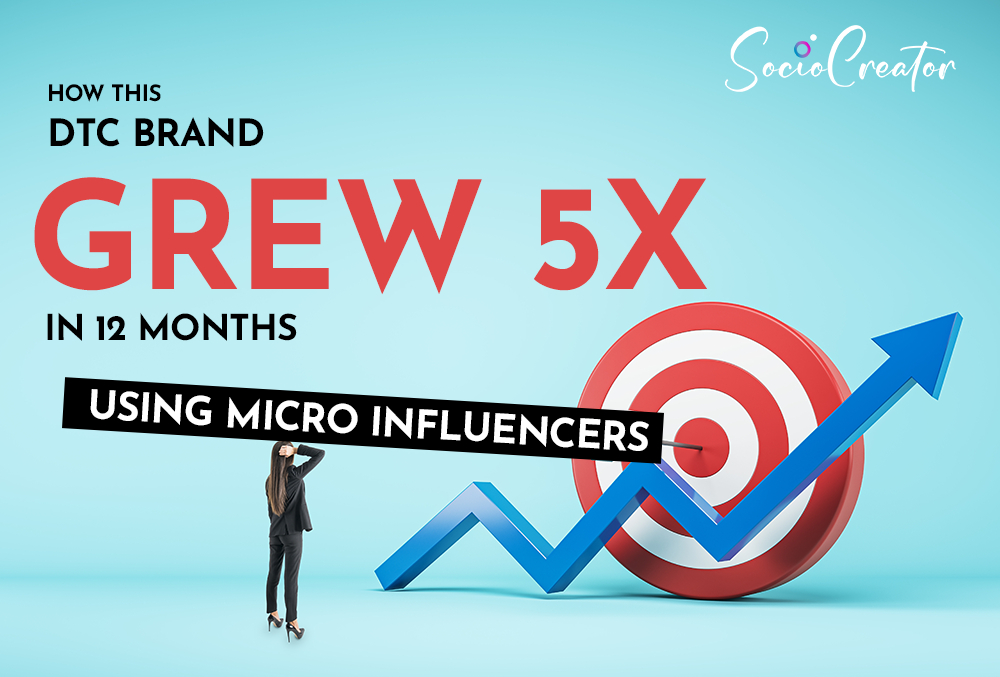
GlowBerry didn’t stop there. They repurposed top influencer content for paid ads, supercharging performance with pre-built social proof, and established ongoing partnerships with their top creators. The result was a flywheel effect—more UGC, more trust, more sales.
Pro Tips: Winning with Micro-Influencer Gifting
Considering launching a PR box campaign this holiday season? Here’s a checklist to ensure maximum ROI:
1. Prioritize Alignment Over Follower Count
Choose creators whose style, audience, and values align with your brand. Engagement is more critical than reach. As one DTC operator advises: “Treat the influencer as a consumer first and allow them to influence second.” (LinkedIn)
 Emma Richardson
2. Start Early, Seed Momentum
Don’t wait until November. 60% of consumers begin holiday shopping before October (LinkedIn). Leading brands start seeding in the summer to ensure products are on wish lists by Q4 (LinkedIn).
3. Make It a Gesture, Not a Transaction
Don’t demand posts. Gifting should open doors, not create obligations. If the package delights, creators will naturally share it (LinkedIn).
4. Amplify Wins Across Channels
When a post gains traction, repurpose it across your socials, emails, and even as paid ads (with permission). Many brands feature UGC on their Shopify product pages to enhance conversion.
5. Track with Codes or Links
Provide each creator with unique tracking links or discount codes. This not only incentivizes their audience but also provides you with hard data to refine your strategy.
6. Graduate Fans to Affiliates
The ultimate goal is to transform organic fans into paid affiliates or brand ambassadors. Once a micro-creator posts out of genuine enthusiasm, offer them a share of sales for continued partnership (MediaPost).
The Founder’s Verdict
As DTC budgets tighten and consumers increasingly ignore generic ads, micro-influencer gifting is emerging as the preferred holiday strategy for forward-thinking brands. It's cost-effective, scalable, and—most crucially—rooted in authentic voices that customers trust. Whether you're sending PR boxes or following up on abandoned carts with a personal SMS, the lesson is clear: build relationships, not just reach.
As you plan next year’s Q4 strategy, consider skipping the celebrity cameo. Instead, invest in the creators, advocates, and human touchpoints that give your brand true significance. The results—reflected in both sales and loyalty—speak volumes.
Subscribe to DTC Live for weekly founder-tested growth insights.