Social Ads Comeback: 42% More Clicks as Costs Drop in Q1 2026
Social Ads Are Back: 42% More Clicks, 22% Lower CPC—Here’s How to Win in Q1 2026
Q1 2026 has flipped the script for DTC operators leaning on paid social. After the post-iOS14 blues, we're now seeing a seismic shift: ad clicks on Facebook and Instagram surged by 42% YoY, while cost per click dropped 22%—a turnaround not seen in years (Skai). For the first time since 2021, the economics of paid social are shifting in our favor, making profitable scaling a reality for those ready to seize the moment.
 Joshua Dreller
iOS14 Fallout: Why This Comeback Matters
Remember the wreckage post-iOS14? Apple’s App Tracking Transparency (ATT) in 2021 hit targeting accuracy and attribution hard. Shopify brands saw customer acquisition costs spike by 40–60% between 2023 and 2025 (VXT). Many pivoted to TikTok and Google for more affordable traffic.
 Jake Vita
Enter Q1 2026. Paid social efficiency has made a stunning comeback—lower costs, more clicks, and improved click-through rates (Skai). If you've been patient, saved your cash, and stayed creative, now's your window. The key question: What's changed, and how do we capitalize on it before the pendulum swings back?
The Data: Paid Social Efficiency Soars
Here's the granular view: Clicks on social ads are up 42%, average CPC is down 22%, and click-through rates are up 27% (Skai). CPMs have stabilized around $5–$6 after years of volatility (Skai). Finally, real cost predictability.
Meta’s Q1 earnings confirm the trend: ad impressions on Facebook and Instagram rose by 19% (PPC Land). Even though ad prices increased in some sectors, DTC brands are squeezing more performance out of every dollar. The secret? New inventory, AI-driven algorithms, and smarter campaign structures.
 Luis Rijo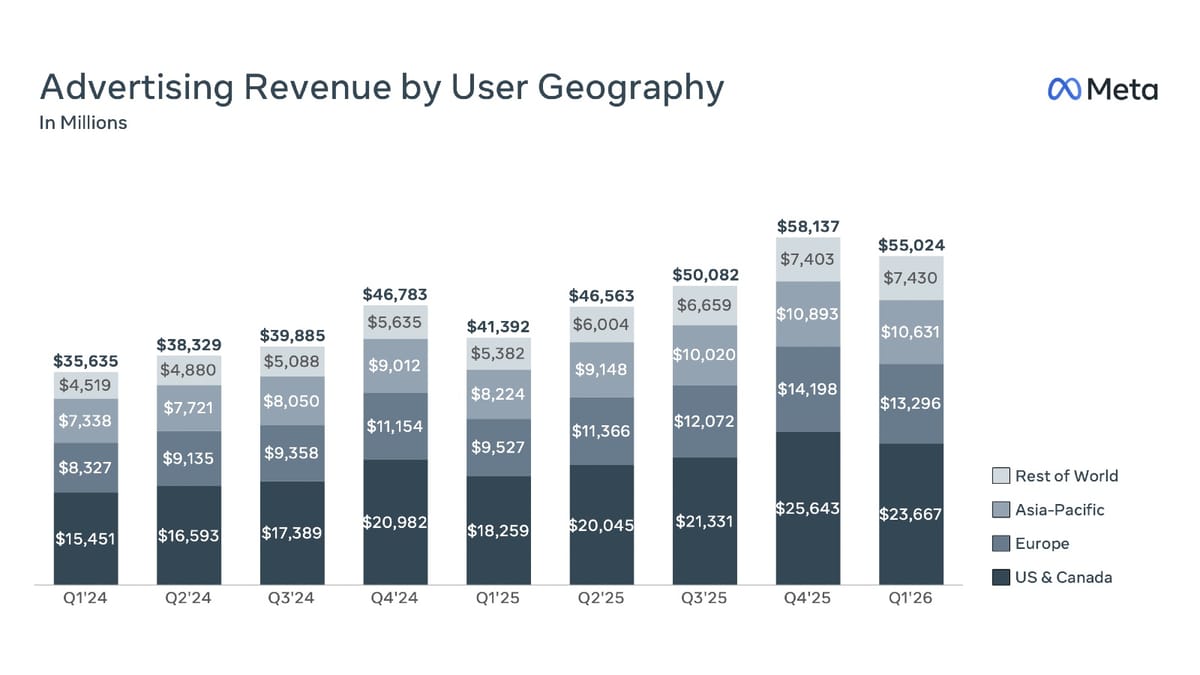
The Instagram Reels Effect: Driving Cost Down
Here's the kicker: Instagram Reels now make up 33% of all Instagram ad impressions, up from 19% last year (AXDigital). More eyeballs, same advertiser pool means lower costs. Instagram ad spend up 28% YoY, yet CPMs fell 3%—a rare blend (AXDigital).
 Алексей Махметхажиев
Instagram Reels ads are 26% cheaper (CPC) than Facebook Feed ads and are driving higher engagement (Digital Applied). Reels inventory is growing faster than brands can fill it, and the platforms haven’t jacked up prices—yet.
Facebook’s growth is plateauing (ad impressions up 8%, CPMs down 4% YoY), while Reels on Facebook are losing traction (AXDigital). If you’re hunting scale and efficiency, Instagram—especially Reels—is where to bet (AXDigital).
Pinterest is delivering quietly: spend up 27%, CPM down 8% (AXDigital), making it a smart buy for the right verticals.
TikTok continues its rise as the #2 paid social platform for DTC, with ad spend up 14% and a share of spend at a record 18% (Skai), though CPMs are up 11% YoY (AXDigital). The cheap TikTok era might be over, but the reach is legitimate—if your creative can compete.
Other channels? Snapchat is on a decline (-8% spend), Reddit has become expensive (CPMs +71%)—best avoided unless your audience is deeply rooted there (AXDigital).
AI and Automation: The Game Changer
This rebound isn't just about inventory. Meta’s AI-driven campaign tools are finally meeting expectations. Advantage+ campaigns—fully automated, broad targeting, creative optimization—are now foundational. Advantage+ Shopping campaigns deliver 32% lower CPA than manually managed setups (Digital Applied). If you’re still micromanaging ad sets, you're leaving money on the table.
And creative iteration? 8 million advertisers now use Meta’s AI creative tools—double the number from just four months ago (PPC Land). Operators using AI-generated creatives are achieving 18% higher CTR on average (Digital Applied)—that’s how you win the auction.
Digital Applied Team
Meta’s “Adaptive Ranking” model, launched in late 2025, is squeezing even more juice: +1.6% conversion lift by delivering the right ad to the right user at the right moment (PPC Land). The takeaway? The machines have caught up. Your structure and creative are your main levers now.
Pro tip: Cody Plofker, CMO of Jones Road Beauty, reduced his CPA by 19.9% and boosted ROAS by 11% by consolidating campaigns and letting the algorithm work—while ramping spend 167% (Threadreader). You still need great creative and a compelling offer, but the era of hyper-targeting is over.
Cody Plofker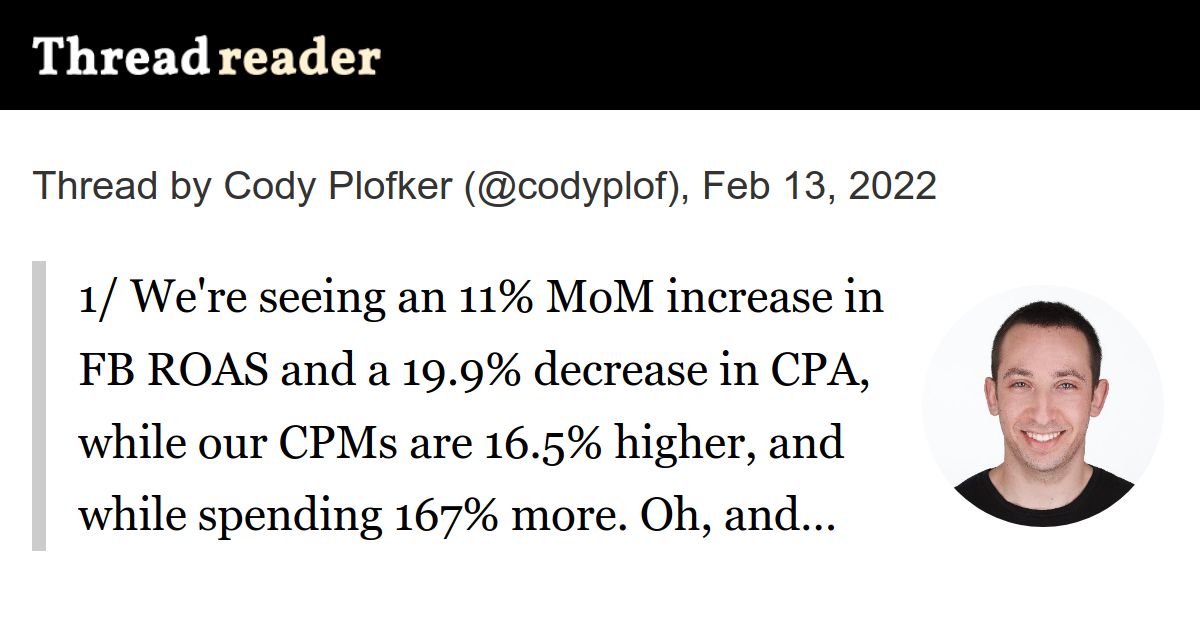
Where to Allocate: Instagram, TikTok, and Beyond
Here’s your current stack:
- Instagram: The reigning leader. Exploding impressions, falling CPMs, rising engagement. If you're not leveraging Reels-heavy creative, you’re missing a prime opportunity (AXDigital).
- Facebook: Steady, reliable, still massive. CPMs are down, but don’t expect fireworks (AXDigital).
- TikTok: Now a staple—18% of paid social spend and climbing (Skai). CPMs are up, so ensure your creative justifies the investment (AXDigital).
- Pinterest: Quietly effective (spend +27%, CPM -8%), especially for visually driven verticals (AXDigital).
- Snapchat: Declining unless your audience is strictly Gen Z (AXDigital).
- Reddit: Niche, costly, and not worth the budget unless your audience lives there. CPMs are up 71% while impressions are stagnant.So, Where Should Your Next Dollar Go?
If you’re running a Shopify DTC brand, the Q1 2026 playbook is clear: go heavy on Instagram (especially Reels), keep Facebook in the mix for its scale, push into TikTok if your creative is up to scratch, and use Pinterest as a strategic value play if your target audience aligns. Snapchat and Reddit are only worth pursuing for niche segments. The arbitrage opportunity is clear on Instagram Reels right now—plain and simple.
How to Capitalize: Operator Tactics for This Window
Let’s talk execution. To truly seize this rare opportunity, you need a plan beyond just "raise budgets and hope."
1. Reinvest in Acquisition—But Guard Your Margins
Yes, it's time to redirect spend into paid social. But do it with a disciplined approach: set clear CPA or MER thresholds, and closely monitor first-time customer MER (Northbeam). Don't let excitement undermine your unit economics. Leverage lower CACs, but avoid becoming overly reliant on the spend.
 Brayden Cruz
2. Trust the Machines—Simplify and Automate
The era of micro-targeting is over. Broad targeting, consolidated campaigns, and Meta’s Advantage+ are outperforming manual setups (Digital Applied). Ensure your Conversion API is live to feed the algorithm with as much data as possible. Direct your efforts towards creative and offer testing, rather than audience segmentation.
3. Build a Creative Factory
If you’re not releasing fresh creative weekly (or even daily), you’re falling behind. AI creative tools have become mainstream, with 8 million advertisers using them (PPC Land). Let machines handle the variations, but keep your narrative human—founder videos, UGC, and compelling offers still win. Test TikTok-style content across all platforms (Reels, FB Feed, even Pinterest).
4. Don’t Lose the Human Touch
Lower CPMs mean more new eyeballs. But converting those into LTV still requires a personal touch. Integrate live chat, founder welcome emails, or real human text conversations when the ticket size justifies it. For instance, LiveRecover—with real agents texting to recover abandoned carts and close sales—can make your funnel feel authentic, not robotic. The best operators balance automation for scale with human touches to boost conversion and retention.

5. Double Down on Attribution
You can’t scale what you can’t measure. Ensure Meta’s Conversion API and GA4 are fully operational. If you're significantly increasing spend, consider a third-party attribution tool to ensure those extra 42% clicks translate into revenue (Northbeam). Track blended MER, new customer CAC, and LTV cohorts. With a clear view of the funnel, you can scale with confidence.
Final Word: The Window Is Open, But It Won’t Stay Forever
Q1 2026 isn’t a fluke—it’s a new era for paid social. Instagram Reels offers a unique arbitrage, Meta’s AI is delivering results, and TikTok has graduated from "test budgets" to a core component of paid social strategy. Profitable scaling is back on the table—if you're strategic.
But this window won’t last. As more brands catch on, CPMs will rise and easy clicks will dwindle. Move fast, scale aggressively, but avoid complacency. Automate where possible, but maintain a human customer experience. Acquire actively, then secure retention.
The leading DTC operators in 2026 will be those who blend high-tech with high-touch—feeding the algorithm great creative, following up with real conversations, and forging relationships that outlast any platform’s bidding cycle.
Subscribe to dtc.live for weekly DTC data, tactical breakdowns, and unfiltered playbooks from operators in the trenches.