Amazon's Slowdown vs Shopify Surge: Q4 Signals for DTC Brands
Amazon’s Cooling E-commerce Growth: Q4 2025 in Review
Amazon's Q4 2025 results tell a story of plateauing momentum. After years of pandemic-driven growth, Amazon's core e-commerce business has slowed noticeably. Online store sales rose at a single-digit pace year-over-year, a stark contrast to the explosive surges seen in the early 2020s.
Third-party sellers, vital for many DTC brands, now account for nearly 60% of all items sold on Amazon (Wikipedia). However, even this sector shows only modest growth, challenging the notion of Amazon as an unstoppable growth machine (Wikipedia).
Ad Revenue Up, Seller Margins Down
Amazon’s advertising business is on the rise, generating tens of billions in high-margin revenue (Shopifreaks). Yet, this growth feels like a burden to brands. As one DTC founder noted, “Advertising on Amazon has become a tax on merchants. It’s pay-to-play now.” (“Private DTC Community”).
With rising FBA fees and additional seller charges, Amazon seems to be extracting more value from current sellers rather than sparking a new wave of consumer spending.
Consumers Are Looking Beyond the “Everything Store”
Consumer habits are evolving. While Amazon remains a default choice for many, more shoppers are seeking out brands directly through social media, search, and word-of-mouth. Amazon still holds about 38% of U.S. online retail (Shopify Investors), but its growth isn't as robust. This opens doors for founders to thrive outside Amazon’s realm.
Shopify’s Record-Breaking Q4: DTC’s Engine Roars
While Amazon cools, Shopify is blazing ahead. Q4 2025 data reveals Shopify's incredible growth, driven by independent brands thriving amidst macroeconomic uncertainties.
Shopify's revenue and GMV surged ~30% year-over-year (Digital Commerce 360). The platform supports over 5.6 million merchants globally (Billion Dollar Sellers), serving as the backbone for the future of commerce.
 Abbas Haleem
Black Friday–Cyber Monday: Shopify’s Defining Weekend
Shopify merchants achieved **$14.6 billion** in sales during Black Friday–Cyber Monday 2025, up from $11.5 billion the previous year (Shopify Newsroom; Investing.com). This 27% year-on-year jump underscores the growing consumer preference for independent brands (Shopify Newsroom).
Shopify's reach is immense, with 875 million+ unique shoppers in 2024 (Shopify Investors). More mid-market and enterprise brands are choosing Shopify, showing a significant shift from custom builds (LinkedIn).
 Daniel Sodkiewicz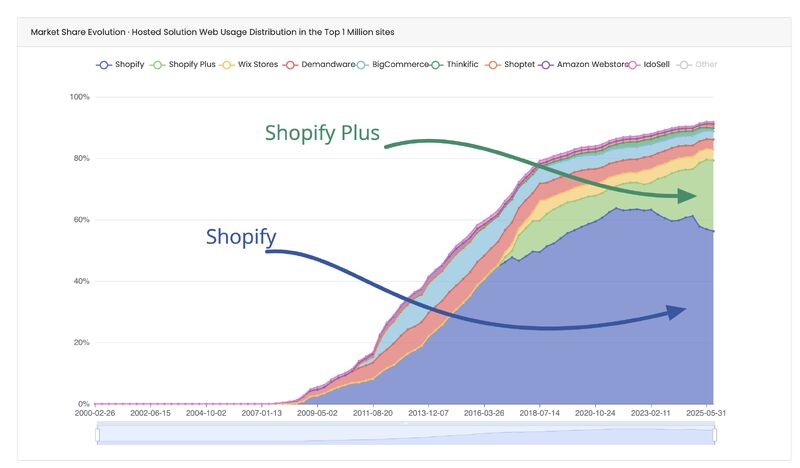
The “DTC is Dead” Myth? Not So Fast
Contrary to some beliefs, Shopify's growth and record sales indicate that direct, brand-owned commerce is thriving. As one analyst put it, “Shopify keeps winning larger, enterprise-level merchants.” (LinkedIn). For founders, Shopify is not just a platform for startups; it’s a growth engine for the next wave of scaled DTC brands.
What Q4 Means for DTC Strategy in 2026
For DTC operators planning their 2026 strategies, the message is clear: prioritize owned channels but remain agile with marketplaces.
When Shopify merchants push nearly $15B in a weekend, it’s a powerful validation for building direct channels. Controlling your customer relationship—from acquisition to retention—leads to higher LTV and stronger loyalty (Shopify Newsroom). Brands often find that customers acquired through their site or social channels are more loyal than those from marketplaces.
A prevailing sentiment: “We treat Amazon as a convenience store, but our Shopify site is the flagship where our brand shines.” (DTC founder, podcast interview, Jan 2026). More brands recognize the strategic value of nurturing their own customer base—not just relying on Amazon's audience.
The Marketplace Still Matters—But Don’t Bet the Farm
Ignoring Amazon entirely isn't wise. With over a third of U.S. online retail on the platform, it remains vital for discovery and trust (Shopify Investors). One DTC operator shared how a $10M Shopify brand lacked Amazon presence despite significant search interest (LinkedIn). His advice? “If consumers are looking for you on Amazon, you might as well meet them there.”


The smart 2026 play: use Amazon to capture high-intent demand and manage excess inventory, while driving your best customers to your owned site for optimized margins and experience.
The Founder Playbook: Building Loyalty, Blending Automation + Human Touch
Q4 signals indicate a clear investment path: brand loyalty and customer experience are paramount.
While Amazon offers convenience, it lacks personal touch. Shopify brands succeed by providing connection, storytelling, and service. The future belongs to those who focus on personalized marketing, seamless post-purchase experiences, and community building.
Strategic tools are essential here. LiveRecover, an SMS cart recovery platform with human agents, exemplifies blending automation with personal interaction. When a cart is abandoned, LiveRecover’s team engages the customer, addresses objections, and closes sales in real time. Brands using LiveRecover often achieve higher recovery rates than automated flows, fostering trust and enhancing the brand experience. For founders, LiveRecover is an indispensable tool to build relationships at scale.
As global e-commerce sales head towards $6.4 trillion in 2025 (Shopify Blog), the winners will combine reach with real relationships. Invest in educational content, rewarding loyalty programs, and delightful post-purchase moments—areas where DTC brands can outshine Amazon.
 Ying Lin
Q4’s Big Signal: Brand-Owned Commerce is Winning
Bottom line: With Amazon's growth slowing and Shopify's record-breaking Q4, there's a noticeable shift in e-commerce dynamics. For mid-sized DTC brands, the opportunity in 2026 is to leverage Shopify’s momentum—focusing on owned channels, community building, and strategic marketplace use for spillover demand.
Now is the time for founder-led brands to capitalize on their unique strengths: agility, storytelling, and genuine customer connection. The Q4 data is clear—the future of commerce is distributed, and brands that own their customer relationships will thrive.
Subscribe for weekly DTC insights