The DTC Brand That Says No to Black Friday Deals
Black Friday is like the Super Bowl for e-commerce. In 2024, 197 million Americans took to shopping over Thanksgiving weekend, fueling a massive $10.8 billion in online Black Friday spending—a 10% increase from the previous year (Reuters).
Shopify merchants alone saw $11.5 billion over Black Friday/Cyber Monday (Cinco Días, El País). With stakes this high, skipping out seems unthinkable—unless you're Hiut Denim, the Welsh jeans maker that has boldly opted out of the Black Friday frenzy.
 Daniel Alonso Viña
Hiut Denim: Shutting Down to Stand Out
Hiut Denim Co. doesn’t just skip Black Friday; they literally close their website, making a statement against the culture of overconsumption. Their message?
“For Black Friday we have closed our website for 24 hours,” highlighting concerns over “throwaway culture” and environmental impact (Nation Cymru).
 Stephen Price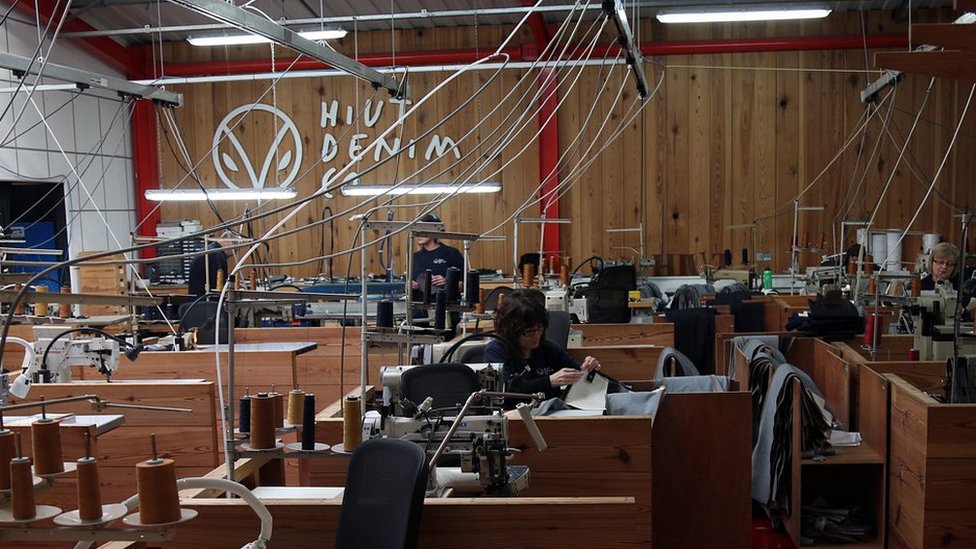
Why turn away from a flood of ready-to-spend customers? For Hiut’s founders, it's about prioritizing principles over profits. As they put it,
“We come in each day to make the best jeans we can, not the most jeans we can... But for us, Black Friday feels like a battle to see who can be the cheapest” (Nation Cymru).
In an industry hooked on discounts, Hiut chooses quality, sustainability, and long-term trust over quick sales spikes.
Founded by David and Clare Hieatt, Hiut Denim is all about purpose. They revived Cardigan’s denim-making tradition, not fast fashion. Their Black Friday shutdown is more than a marketing ploy; it’s a stance against mindless consumerism. As they’ve said,
“Lots of people [are] buying things they don’t really need with money they don’t really have” (Nation Cymru).
This authenticity resonates deeply with their audience.
Engaging Creatively Without Discounts
Skipping sales doesn’t mean Hiut disengages during peak shopping seasons. Quite the opposite. Their infamous “world’s most expensive jeans” Black Friday stunt—where they raised prices by 8,163% and pledged to plant 476,190 trees per purchase—captured attention and sales: five pairs sold, resulting in 1 million trees planted (Planks Clothing). It was a lesson in leveraging commerce for good, not just for profit.
 Written by Jasmin Spence
In 2024, Hiut upped the ante by simply closing their store, using a message about conscious consumption to greet visitors. This move was hailed as a masterstroke in brand positioning (Medium). Hiut’s emails and social content still engage their community with stories, product insights, and customer features—without resorting to heavy discounts.
Other brands have followed similar paths. Deciem, known for The Ordinary, promotes “Slowvember,” spreading modest discounts throughout November to encourage thoughtful purchases (Fasthosts). This approach builds trust, not pressure.
Loyalty Over Flash Sales: Audience Reactions
So, how do Hiut’s customers feel about the Black Friday blackout? Enthusiastic, to say the least. The five customers who paid 8,000% more for charity jeans weren’t upset about the lack of deals—they were investing in Hiut’s mission (Planks Clothing). Social media reactions to Hiut’s stance were overwhelmingly positive, showing admiration for staying true to their values.
The broader DTC community is taking notice. Hiut’s “Closed for Black Friday” move has been dubbed “pure PR genius” (Medium). Swedish label ASKET has also closed its shop every Black Friday for six years, garnering praise for resisting the buy-at-all-costs culture (The Industry.Fashion).
 Camilla Rydzek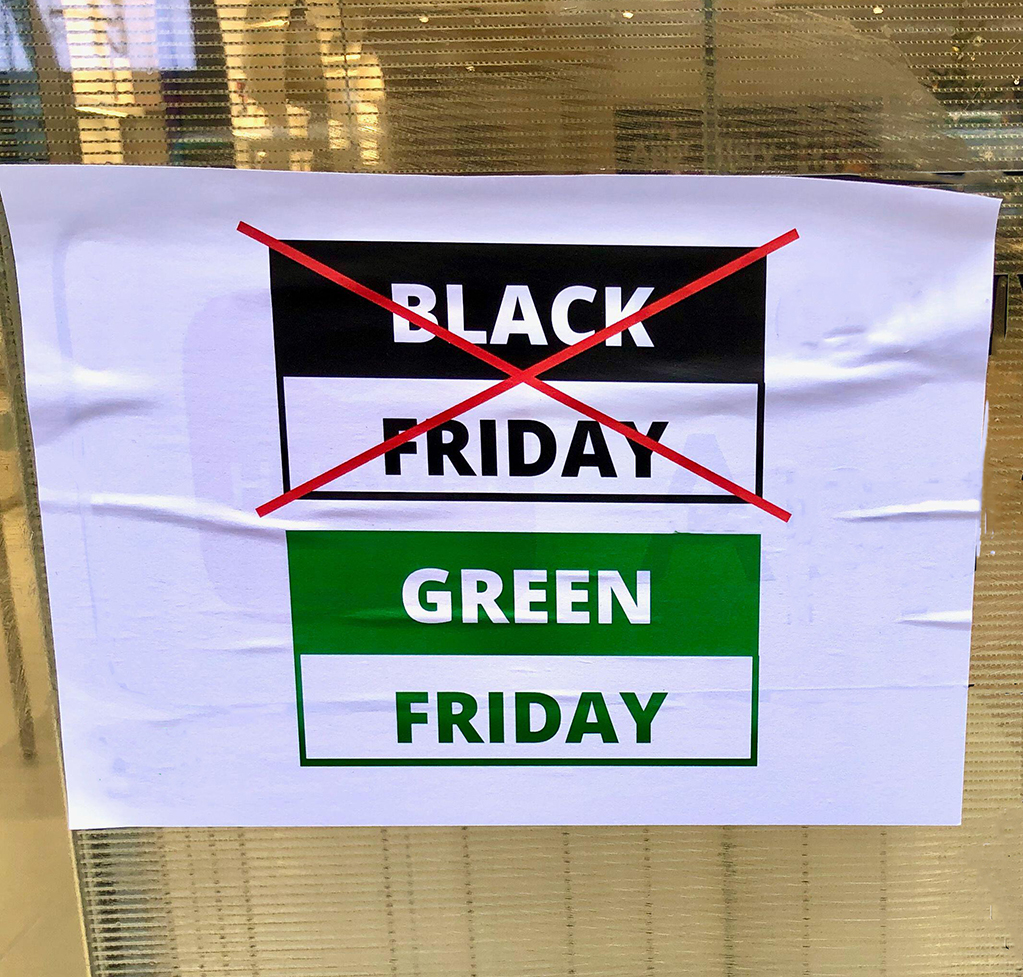
There’s data to support this strategy: 83% of BFCM buyers never make a second purchase (Spinutech). Hiut and similar brands prefer to focus on the 17% who remain loyal.
 Spinutech
Playing the Long Game: Brand Value Over Quick Wins
Hiut Denim’s Black Friday stance is more than just marketing bravado—it’s a deliberate long-term strategy. By maintaining steady pricing, they protect margins while competitors are busy undercutting each other. As Hiut sees it, 200 loyal fans are worth more than 2,000 fleeting deal-chasers.
The results are telling. Hiut has revitalized local manufacturing, created jobs, and gained a global reputation for high-quality, sustainable jeans—all without succumbing to discount pressures (Nation Cymru). Demand often exceeds supply, and the brand’s authenticity keeps customers returning and referring.
Beyond finances, Hiut maintains pricing power and dodges the holiday overstock woes. The payoff? Higher customer lifetime value (LTV), more organic word-of-mouth, and a brand identity that’s genuine. In a landscape where ad costs soar and retention is crucial, Hiut’s approach is less an anomaly, more a blueprint for sustainable DTC growth.
Not Alone: The Rise of Value-Driven Brands
Hiut’s no-discount approach is part of a larger movement. Across the DTC world, brands are using the holiday season to reinforce identity and loyalty, rather than chase short-term gains.
RIXO, a British womenswear brand, skips Black Friday for charity, aligning with values over trends (Inkl). REI closes all their stores and pays employees to #OptOutside, earning widespread goodwill (Fasthosts). Patagonia turned anti-consumerism into a brand asset with their “Don’t Buy This Jacket” campaign (Fasthosts). The consistent theme: short-term sales surges aren’t worth compromising long-term trust.


This isn’t just about ideals. As shoppers wise up to fake discounts, brands opting out of the discount game attract customers who appreciate transparency and purpose.
Final Take: Founders, Play Your Own Game
Saying no to Black Friday is bold. It demands conviction, a clear brand promise, and the courage to pass on easy money. But as Hiut Denim and similar brands demonstrate, the rewards are real: loyal customers, deeper trust, and a brand that stands out in a crowded market.
For DTC operators, the lesson is clear: you don’t need to rely on discounts to grow a successful business. Sometimes, the best strategy for the holiday season is to sit it out and let your values—and your community—speak for themselves.
In the long run, brands that opt out of Black Friday build something far more valuable than a temporary sales spike—they cultivate a community that connects with the mission, not just the markdown.
Subscribe for weekly DTC insights.