Shopify Merchants Set 2025 Black Friday Sales Record
Shopify's Black Friday/Cyber Monday (BFCM) 2025 results are in, and they’re impossible to ignore. Independent DTC merchants on Shopify raked in an astounding $14.6 billion over the BFCM weekend—a 27% surge from last year, even after accounting for constant currency adjustments (Newsfile Corp.). This isn't just a record; it’s a clear indicator that, despite economic headwinds, consumers are leaning heavily toward direct purchasing. For founders, the message is clear: the DTC model is not just surviving, it's thriving, rewarding brands that prioritize owning their customer relationships.
 Shopify
Black Friday's $6.2B Surge: A Deeper Dive
Let's break it down: Black Friday was a blockbuster. Shopify CEO Tobi Lütke reported a staggering $6.2 billion in sales in just one day—a 25% increase year-over-year (iPhone in Canada). To put this into perspective, U.S. shoppers spent $11.8 billion online that day, marking a 9.1% rise from 2024 (Reuters). At its peak, Shopify was processing $5.1 million per minute at 12:01 p.m. ET (Newsfile Corp.).
 Steve Vegvari
Shoppers were primed to spend, with an average cart value of $115 (Newsfile Corp.). Cosmetics, apparel, activewear, and nutrition supplements dominated sales, demonstrating that health and fashion sectors remain robust drivers in the DTC landscape (Newsfile Corp.). The takeaway? Black Friday 2025 was a tidal wave of high-intent shoppers ready to engage with prepared brands.
BFCM 2025: The Anatomy of a Record-Breaking Weekend
The headlines are impressive, but the real insights lie in the details. Over the four-day BFCM spree, more than 81 million shoppers worldwide purchased from Shopify brands (Newsfile Corp.). For many founders, this wasn’t just about sales—it was about reaching significant milestones. Over 15,800 entrepreneurs made their first-ever sale on Shopify, while nearly 95,000 merchants experienced their best sales day yet (Newsfile Corp.). As Shopify President Harley Finkelstein emphasized: “Black Friday belongs to entrepreneurs. We just make it possible for the world to find them” (Retail Tech Innovation Hub).
 Staff Writer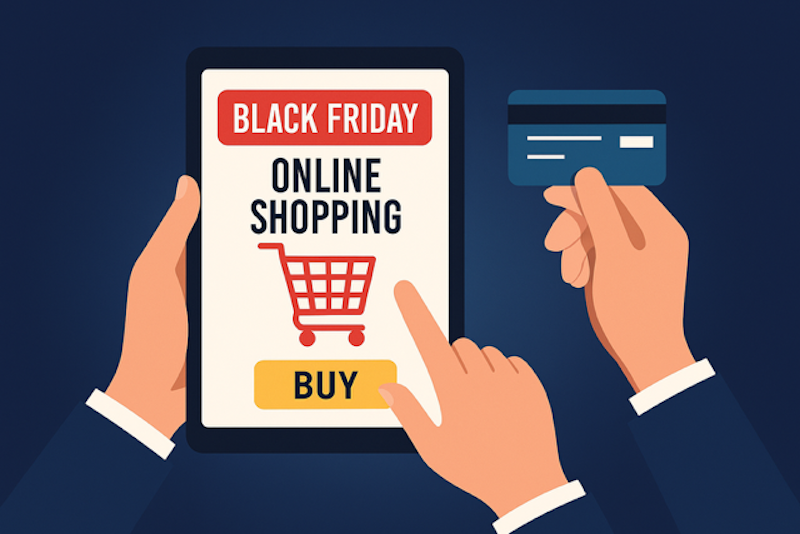
Shopify’s infrastructure held its ground, even managing a brief Cyber Monday login outage with swift resolution (Reuters). For operators, the lesson is clear: preparedness and platform resilience are crucial. Brands that invested in site optimization and strategic campaigns didn’t just survive the BFCM rush—they thrived.
Why DTC is Outpacing the Market
Here's a standout data point: Shopify merchants saw a 27% YoY growth, outpacing the overall U.S. e-commerce growth of just 9% (Newsfile Corp.; Reuters). This is more than just growth—it's a sign that DTC is where consumers prefer to spend. Shoppers are drawn to brands that offer unique products, direct engagement, and a compelling narrative.
Cross-border orders made up 16% of all Shopify BFCM transactions (Newsfile Corp.), indicating that international reach is now a game for all, not just large enterprises. Mobile conversion rates were up, and AI-driven recommendations boosted average order values, reflecting broader industry trends (AP News; Reuters).
 WYATTE GRANTHAM-PHILIPS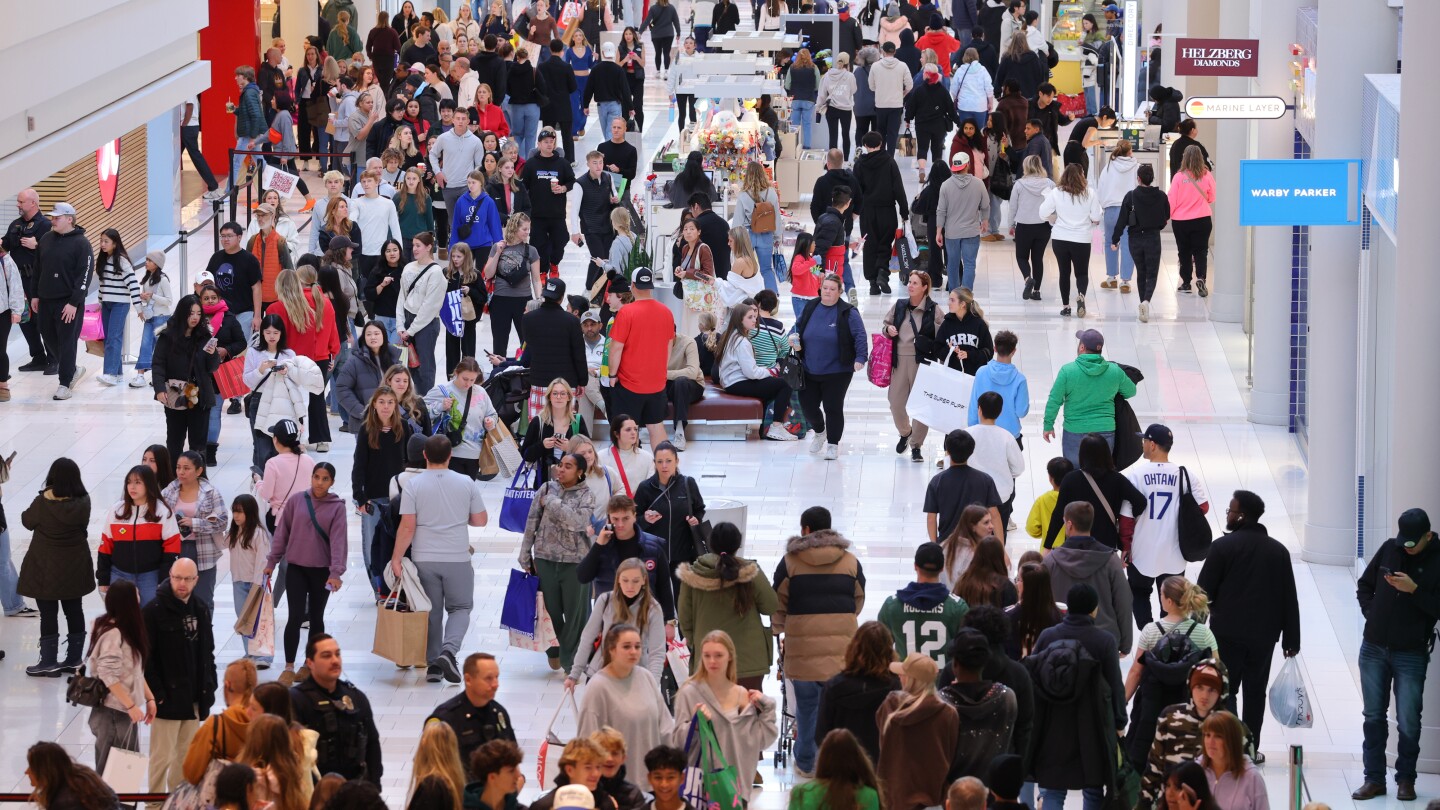
What’s the secret sauce? Brands that planned ahead, stirred excitement within their communities, and offered genuine value. As one growth strategist pointed out: “Calendars matter. The brands that win are the ones that prepare early and execute with precision” (LinkedIn).
 Anton van Rhyn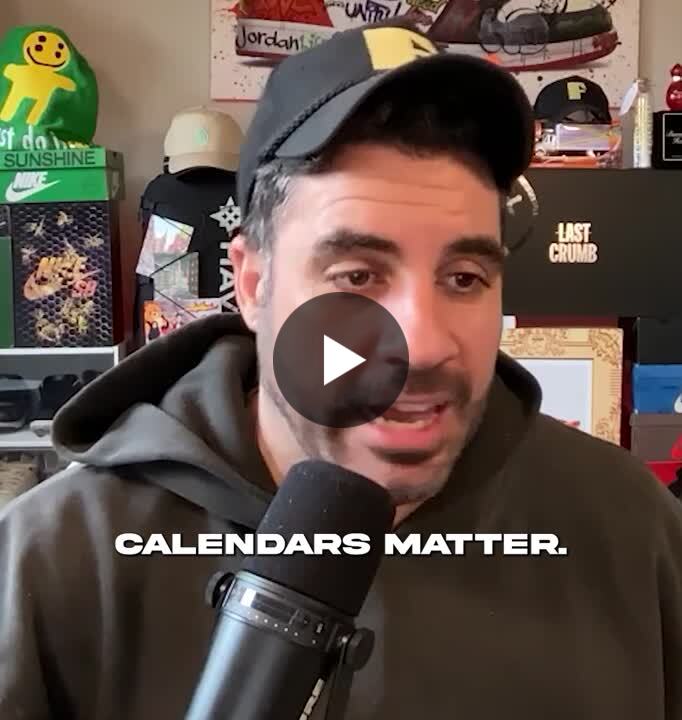
The Human Touch: Real-Time Cart Conversion
Amid all the automation buzz, don’t overlook the power of human connection. Take LiveRecover as an example—a platform designed for SMS cart recovery, driven by real human agents rather than bots. When shoppers abandon their carts, LiveRecover’s team sends personal texts, addresses objections, and closes sales in real time.

Why does this matter? During high-traffic events like BFCM, standing out goes beyond offering the biggest discount or the flashiest ad. It's about crafting a buying experience that feels personal. LiveRecover outperforms automated recovery flows by making shoppers feel acknowledged, not just processed—enhancing revenue recovery while maintaining brand trust and reputation. For founders fine-tuning their BFCM strategies, blending automation with genuine human interaction is not just nice to have—it’s a competitive edge.
What's Next: Strategy for Scaling in 2026
For mid-sized DTC brands, Shopify’s 2025 BFCM record is both a motivator and a challenge. It confirms the direct channel's vitality, but also sets a higher benchmark for next year. Now is the time to assess which products and campaigns excelled and to focus on retention strategies—think subscriptions, loyalty programs, and fostering a community that remains engaged beyond the holiday season.
With thousands of new merchants emerging this BFCM, competition is heating up. But so is the potential. Shopify’s infrastructure has proven scalable; now it’s up to founders to scale their storytelling, customer experience, and operational execution to match. The 2025 record isn’t just an anomaly—it’s a roadmap for what’s possible when founders commit to strategy, data, and a bit of holiday hustle.
Prepare yourself: Black Friday 2026 could be even bigger.
Subscribe for weekly DTC insights.