Gen Z’s Loyalty Gap: Why Young Consumers Resist DTC Brands
The New Brand Reality: Loyalty Is Up for Grabs
Running a modern DTC brand and noticing that Gen Z customers seem quick to jump ship? You’re not alone. A striking 81% of Gen Z and Millennial shoppers switched brands in the past year (LinkedIn: Marca). Essentially, four out of five young shoppers are ready to ghost even their preferred brands without much hesitation.
For DTC operators, particularly those on Shopify, this isn't merely a marketing challenge—it's a call to action to overhaul how we foster repeat business. The root cause? Gen Z’s approach is uncompromisingly pragmatic. With half planning to cut back on dining out, a third on clothing, and nearly a third on alcohol due to budget constraints (Axios), they’re not anti-brand, but they’re certainly not sentimental. If you can't consistently deliver value—whether that's price, convenience, or experience—they’ll move on. Loyalty must be constantly earned.
Gen Z’s “Open Relationship” With Brands
Gen Z’s brand relationships are best described as open and noncommittal. 62% of them check out alternatives before purchasing, even if they have a favorite brand (LinkedIn: Dept Agency). This isn’t mere fickleness; it’s strategic shopping in a world of abundant options.
 DEPT®
DEPT®
Traditional loyalty programs? Largely dismissed. One-third of Gen Z has abandoned generic loyalty programs, and 40% would switch to a better rewards card without hesitation (LinkedIn: Bits of Stock). Speed, flexibility, and personalization trump outdated punch cards.
Suze Dowling, co-founder of Pattern Brands, puts it succinctly:
“They can get a sale, but loyalty? Repeat buys? 🦗🦗🦗” (LinkedIn: Suze Dowling).
 Suze Dowling
Many Shopify merchants excel at acquisition but falter at retention. Gen Z expects brands to earn every repeat visit. Ignoring post-purchase engagement means losing their trust—and their business.
Value and Values: Gen Z’s Two-Track Filter
Gen Z’s so-called loyalty issue isn’t about disinterest—it’s about standards. They’re both value-conscious and values-driven.
On one hand, they demand sharp prices and quality that justifies the spend. On the other, they’re asking: Does this brand reflect who I am? 68% of Gen Z view their purchases as an expression of identity and beliefs (Shopify). If your product or brand story doesn’t help them signal their values, don’t expect loyalty. If your brand contradicts their ethics, expect backlash.
This dynamic is evident in the “local vs. global” preference. 71% of Gen Z feel more connected to local or indie brands (LinkedIn: Gen Z Goes Local). Meanwhile, 64% see global brands as having generic values. Trust is shifting from celebrity endorsers to local influencers; Gen Z trusts local influencers 78% more than celebrities (LinkedIn: Gen Z Goes Local).
The takeaway? For DTC brands, loyalty hinges on both value and values. Authenticity isn’t optional—it’s essential. If you stand for something real and back it up with action, Gen Z can become your fiercest advocates (LinkedIn: Dept Agency).
 DEPT®
DEPT®
Social Media: Where Loyalty Is Won—and Lost
No other generation shops through social media quite like Gen Z. Discovery, community, recommendations—all happen on platforms like TikTok, Instagram, and YouTube. Nearly 57% of Gen Z have purchased something following an influencer’s review, and about a third say an influencer’s endorsement made them trust a brand (Shopify). The right creator partnership can quickly propel your Shopify store into the spotlight.
But here’s the catch: social media can disrupt loyalty just as swiftly. Trends evolve at a breakneck pace—what’s cool today might be outdated tomorrow. The “de-influencing” movement, where creators advise followers to bypass overhyped products, is a response to this fatigue (LinkedIn: Marca). Gen Z shops with skepticism. A viral TikTok might get you a first sale, but if the experience falters—or a new trend emerges—they’re gone.
 BetterMarca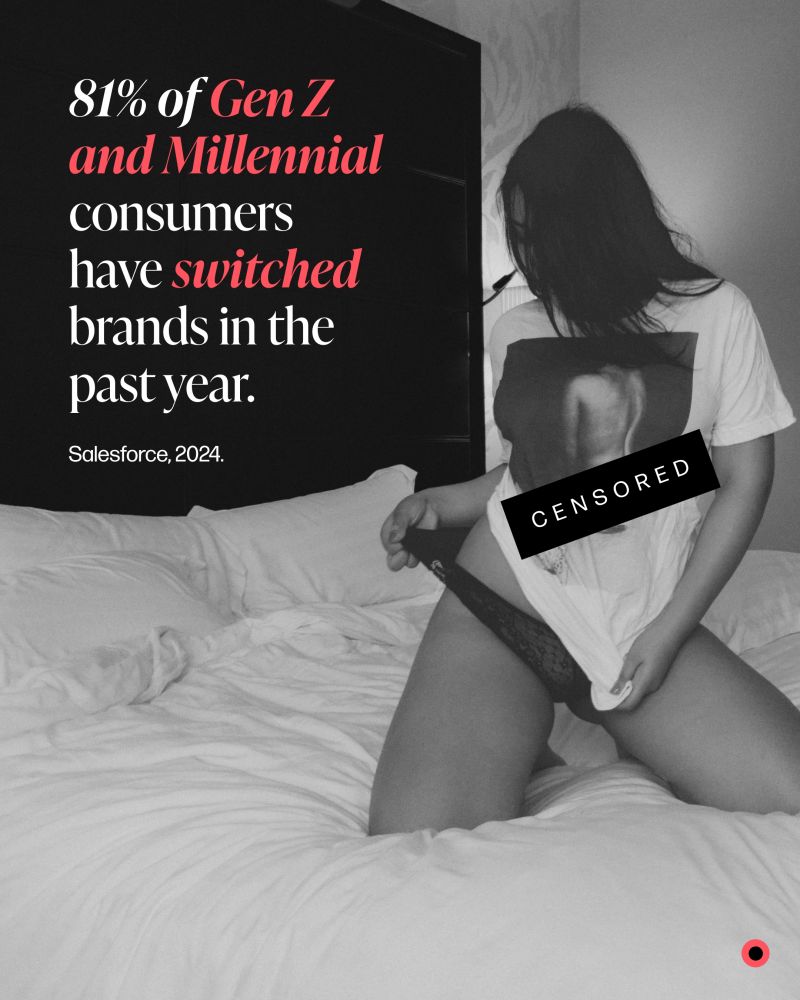
Social media also amplifies both praise and backlash. A negative customer experience can go viral, undoing years of brand-building. Conversely, brands that engage authentically—replying to DMs, participating in community threads, being transparent—build real credibility. Robin Wheeler, CRO at Fetch, notes Gen Z expects brands to “engage meaningfully beyond just sales” (Axios). The lesson? Foster community, show a human side, and you’ll remain top-of-mind longer than your last sale.
Closing the Loyalty Gap: The Modern Operator’s Playbook
So how can DTC founders and operators bridge Gen Z’s loyalty gap? A few strategic shifts can make all the difference:
1. Value: Table Stakes, Not a Differentiator
Gen Z’s value radar is sharp. They’ll comparison shop and sniff out a markup instantly. Be transparent about pricing, highlight product quality, and offer flexible payment options like Klarna or student discounts. In a world where switching is frictionless, make value unmistakable—every time.
2. Loyalty Programs: Instant, Personal, Effortless
Ditch the traditional punch cards. Gen Z wants instant gratification and tailored rewards. Offer early perks, small but frequent rewards, and mobile-first programs. Use your data: if your audience cares about sustainability, integrate green perks or charity tie-ins. With 33% already ditching generic programs, yours needs to feel unique (LinkedIn: Bits of Stock).
 Bits of Stock™
3. Retention & Customer Experience: Don’t Go Dark After the First Sale
Acquisition is costly. If you’re not investing equally in retention, you’re leaking revenue. That means fast fulfillment, seamless returns, and responsive, human support. A personal touch—a handwritten note, a thoughtful follow-up—can make all the difference.
This is where platforms like LiveRecover shine. LiveRecover is an SMS cart recovery platform powered by real human agents. When a shopper abandons their cart, LiveRecover’s team personally texts the customer, addresses concerns, and helps close the sale in real time—creating a genuine connection. In a world of bots, LiveRecover consistently outperforms typical recovery flows because customers feel like they’re engaging with a real person, not an algorithm. That’s real retention: higher revenue and a brand experience Gen Z can trust.

4. Stand for Something—And Prove It
Your mission isn’t just a section on your website. Gen Z expects your values to be evident in your supply chain, marketing, and social footprint. Integrate impact initiatives (sustainability, diversity, give-back programs) authentically and share the story. Encourage user-generated content around your initiatives—let your community amplify the message. Authenticity isn’t optional; it’s the new loyalty currency.
5. Meet Gen Z Where They Are—And Let Them In
Get social—on their terms. Invest in TikTok, Instagram, and community platforms, both for content and genuine two-way engagement. Encourage customers to create and share (unboxings, reviews, “how to style” videos) and boost their voices. Consider micro-communities: a Discord server or private group can transform shoppers into brand advocates. And don’t shy away from listing on trusted marketplaces—Gen Z will shop where it’s convenient.
The Bottom Line: Loyalty Isn’t Dead—It’s Just Evolved
Winning over Gen Z isn’t about tricking them into repeat purchases. It’s about respecting their pragmatism and their idealism. Nail the basics (value, quality, seamless experience) and layer on real values and authentic engagement. When you get both right, those “disloyal” shoppers can become your most vocal, loyal fans.
In a world of endless choice and TikTok trends, loyalty is a moving target—but it’s there for brands willing to earn it. Listen to what Gen Z is telling you: deliver real value, stand for something, and show up as a human, not just a logo. The growth opportunity is real—for those who adapt.