DTC Flower Startup Takes on Industry Giants This Valentine’s
The $3 Billion Bouquet Brawl
Valentine’s Day isn’t just a holiday—it’s the floral industry’s Super Bowl. This year, U.S. shoppers are projected to spend a whopping $3.1 billion on flowers (National Retail Federation). Giants like 1-800-Flowers and FTD have dominated this space for decades, with 1-800-Flowers growing from a single shop into a $700 million empire (Wikipedia). During peak seasons, they move millions of stems nationwide (Entrepreneur).
 NRF Vice President of Industry and Consumer Insights Katherine Cullen
For smaller DTC florists, the competition seems fierce. Legacy players have the upper hand with scale, logistics, and massive ad budgets. But challenger brands can break through by rewriting the playbook: focusing on transparency, sustainable sourcing, and founder-driven storytelling.
 Contributors to Wikimedia projects
The Goliaths’ Weak Spots: Hidden Fees and Broken Promises
Let’s be honest: the traditional flower delivery experience is ripe for disruption. Legacy services have long relied on hard-sell marketing and aggressive upsells. Who hasn’t been drawn in by a $19.99 bouquet, only to face a $64.50 total at checkout? It’s a classic bait-and-switch, as John Tabis, founder of DTC disruptor The Bouqs, points out: hidden fees, misleading product photos, and inconsistent delivery plague the industry (Seiler Tucker).
 Michelle Seiler Tucker
Consumers are catching on. A notable 38% of Valentine’s shoppers now prefer to buy flowers online, a significant increase from just 16% a decade ago (NRF). They’re looking for brands that deliver on their promises.
 NRF Vice President of Industry and Consumer Insights Katherine Cullen
Building a DTC Challenger: Farmgirl’s Founder-First Playbook
Enter Farmgirl Flowers. Christina Stembel started the company in her San Francisco apartment with $49,000 in savings and no outside capital—a testament to her commitment to disrupting an industry in need of change (LinkedIn).
 Foundr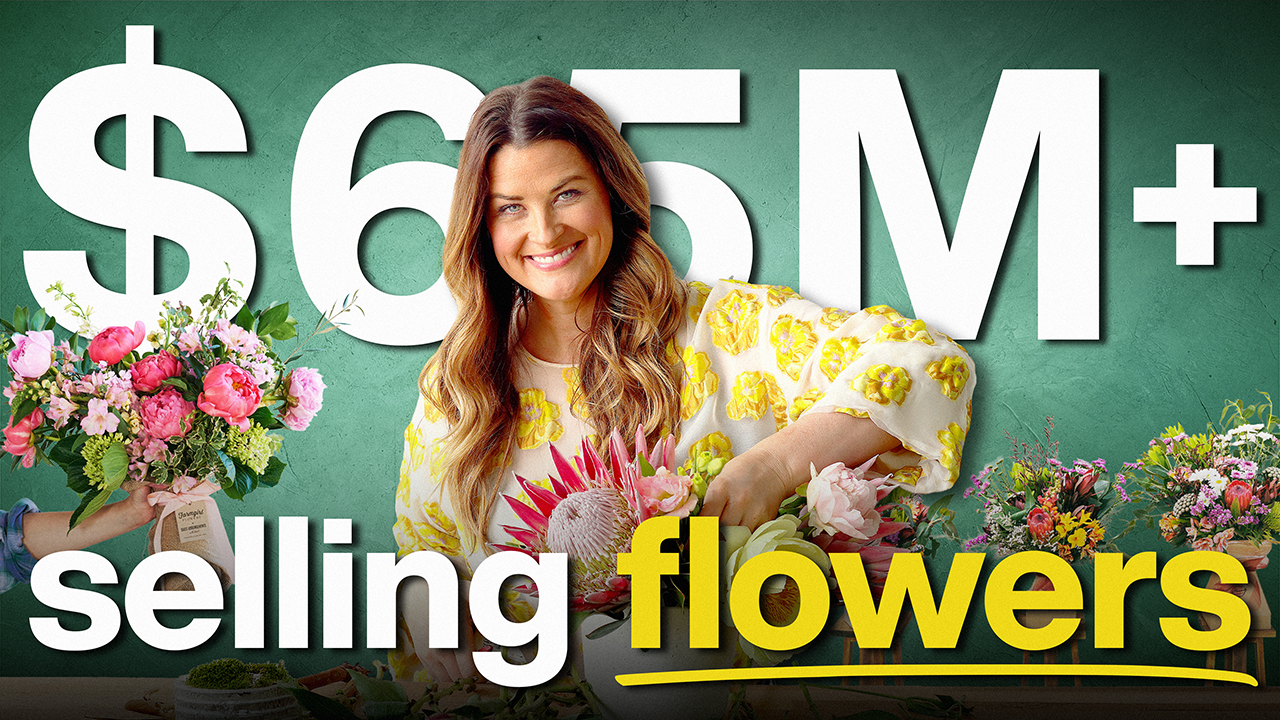
Stembel’s strategy? Keep it simple, sustainable, and authentic. Farmgirl’s unique approach includes shipping bouquets in recycled burlap coffee sacks instead of plastic—an impactful signal of their commitment to doing things differently. They began with locally sourced flowers to reduce carbon footprint and support ethical growers. As they scaled to $65 million in annual revenue, they maintained their core values: a curated selection, direct fulfillment control, and a transparent, founder-led brand experience (LinkedIn).
The payoff? Consistency in delivery and a brand personality that’s unmistakable. Handwritten notes, daily bouquet drops, and an Instagram that feels more like a founder’s diary than a corporate ad feed build loyalty that faceless conglomerates can’t replicate.
Sustainability: More Than a Buzzword
Winning over modern consumers means making sustainability more than just a buzzword. Approximately 80% of flowers sold in the U.S. are imported, often grown with heavy pesticide use and flown thousands of miles (ISTC Blog, University of Illinois). Farmgirl’s commitment to domestic and ethical sourcing set them apart, and even with international partners, they emphasize transparency and waste reduction, showcased by their use of repurposed coffee sacks.
 Joy Scrogum
Eco-friendly flower options are gaining traction, especially among younger shoppers who see sustainability as essential rather than optional (LinkedIn).
Competing Without a Super Bowl Ad Spend
Let’s talk operator realities. Without the budget of a legacy player, success hinges on customer experience and agility. For DTC florists, this means:
- Transparent pricing: Eliminate hidden fees. Transparency converts first-time buyers into loyal customers (Seiler Tucker).
- Curated selection: Ditch the generic offerings for a few standout options that arrive as pictured.
- Speed and urgency: Valentine’s Day is a time-sensitive sprint. Most floral e-commerce happens just before February 14, so savvy DTC brands use “last call” messaging, flash sales, and real-time social proof to attract procrastinators (DTC Live on LinkedIn).
 View Profile
These aren’t just “nice to haves”—they’re strategic advantages. Nimble DTC teams can pivot messaging and inventory quickly, capitalizing on last-minute demand that legacy players often overlook.
Where Automation Meets Human Touch: The SMS Recovery Edge
Here’s a tactical lever DTC brands often miss: bridging digital automation with genuine human connection. Enter LiveRecover—an SMS cart recovery platform powered by real, highly-trained agents.
When a potential customer abandons their cart (a perennial issue in the fast-paced Valentine’s window), LiveRecover’s agents send a personal text, address objections, and help close the sale in real time. Brands using LiveRecover consistently outperform automated recovery flows because shoppers appreciate the personal touch. This interaction boosts revenue recovery and preserves trust and brand experience.
For DTC operators, this goes beyond conversion rates. It’s about crafting a post-purchase experience that feels as personal as your product. In a competitive market where every order counts, blending tech and human touch isn’t just smart—it’s essential. LiveRecover is a tool that belongs in the modern operator’s toolkit, not as a gimmick, but as the connection between your brand and your customer.
Founder-to-Founder: Takeaways for DTC Operators
The lessons here extend beyond flowers:
- Exploit the gaps: If legacy players rely on inertia, use transparency, quality, and narrative to stand out.
- Disruption starts with dissatisfaction: Christina Stembel didn’t just tweak the old model—she built a fundamentally better way. Start with what customers hate about the category and build your brand as the fix (LinkedIn).
- Authenticity scales: Direct, founder-led engagement—on Instagram, in customer emails, even in your packaging—builds a moat no legacy ad budget can breach.
- Lean into last-minute urgency: For event-based verticals (flowers, gifts, food), capitalize on the final days and hours. Real-time communication and nimble operations are your best friends.
This Valentine’s Day, one DTC upstart is proving that in the $3 billion flower market, you don’t need to be the biggest to make an impact—you just need to be the most trusted, the most transparent, and the most human.
Subscribe for weekly DTC insights.