AI in E-commerce: Hype vs. Reality for Shopify Brands
AI in E-commerce: Separating Hype from Reality for Shopify Brands
For mid-sized Shopify founders, 2025 was the year AI transitioned from buzzword to business tool. But with every new "AI-powered" app promising a DTC revolution, how do you discern real opportunities from distractions? Here’s an insider’s look at AI bets that truly paid off—and those that didn’t.
The AI Gold Rush: Finding Value Amid the Hype
Let's talk numbers: U.S. AI startups pulled in an astounding $104 billion in the first half of 2025—almost matching all of 2024's funding (CNBC). Shopify’s leaders dubbed AI the biggest tech shift since the internet and integrated ChatGPT into their platform (TechCrunch).
 Sarah Perez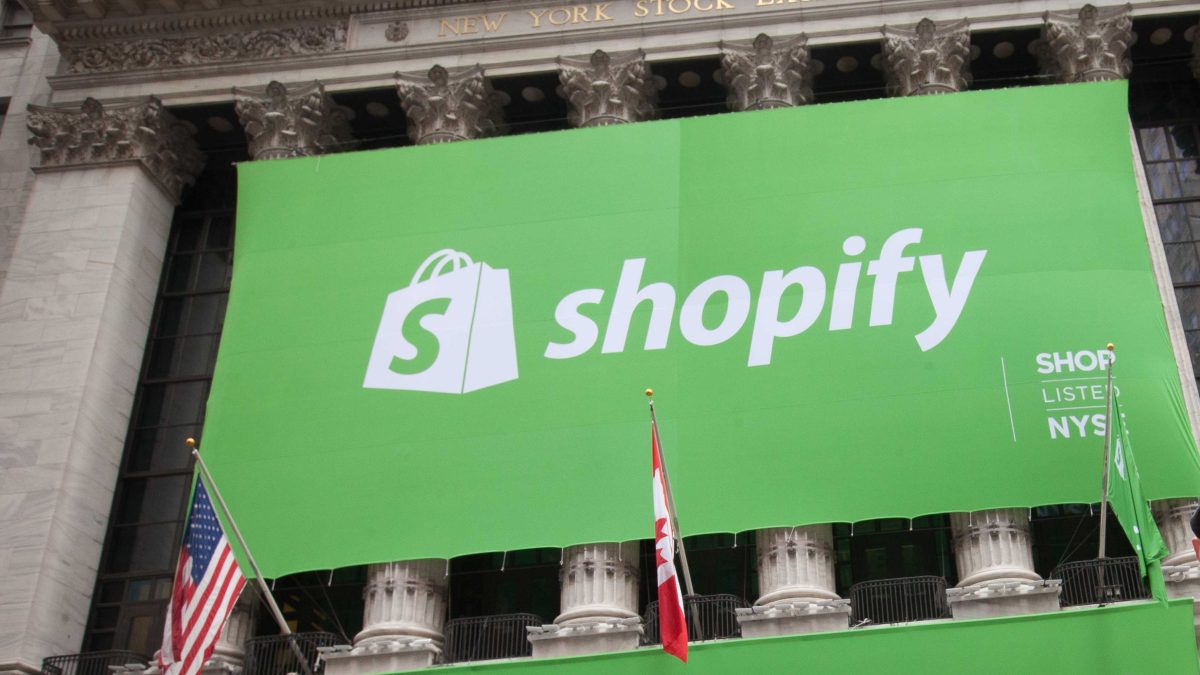
Amid the frenzy, operators were bombarded with AI claims. As one DTC advisor noted, customers want solutions that save time and deliver results—not just flashy algorithms (DTC Live). A key insight: outcomes sell, not acronyms.


Supporting this, a study revealed that labeling a TV as "AI-powered" actually reduced purchase intent compared to an unlabeled version (Marketing Dive). Trust is crucial in e-commerce, and overhyping AI can damage it. As Shopify's Tobi Lütke emphasized, AI isn't a differentiator anymore; it's essential (LinkedIn).
 Saunak Ghosh
In the trenches, seasoned operators grew wary. Marketer Nick Shackelford observed that founders often over-invest in AI tools that fail to deliver the promised results (LinkedIn). The takeaway: if AI doesn’t address a real pain point efficiently, it’s quickly sidelined.
Where AI Delivered Real Results for Shopify Brands
Despite the noise, AI proved its worth when applied to real operational challenges. Here’s where it made a tangible impact.
24/7 Support Without the Burnout
Scaling customer service is a perennial DTC challenge, and AI chatbots provided a viable solution. Vuori, for instance, automated 40% of support chats using Kustomer’s AI, enabling human reps to focus on complex queries (Kustomer). The result? Faster responses, reduced costs, and happier customers.
 Hope Dorman
Industry benchmarks now target a 40% faster response time via AI (Retail Online Daily), and many brands are achieving this. Shopify reports a 7× increase in AI-driven store traffic and an 11× boost in orders from AI-powered searches (TechCrunch). Sixty-four percent of shoppers are open to AI assistance when purchasing (TechCrunch). The message? If your brand isn’t leveraging AI for customer service, you’re missing out.
 By: Emily Correa on September 18, 2025 Last updated on: November 27, 2025
Personalization for All
AI-powered personalization is no longer exclusive to giants like Amazon. Everlane cut “no results” queries by 45% using Algolia’s AI search (Kustomer). Recommendation engines also saw upgrades: Nosto’s Huginn AI orchestrator allowed brands to manage product recommendations, inventory alerts, and email flows seamlessly (Beyond the Cart).
The revenue impact is significant. One Shopify merchant saw upsell revenue soar from $6,000 to $41,000 monthly after adopting Rep AI’s upsell bot (Beyond the Cart). Shopify now encourages merchants to optimize for AI agent recommendations, as chat interactions increasingly drive storefront engagement (LinkedIn).
 Alexandre Chaumien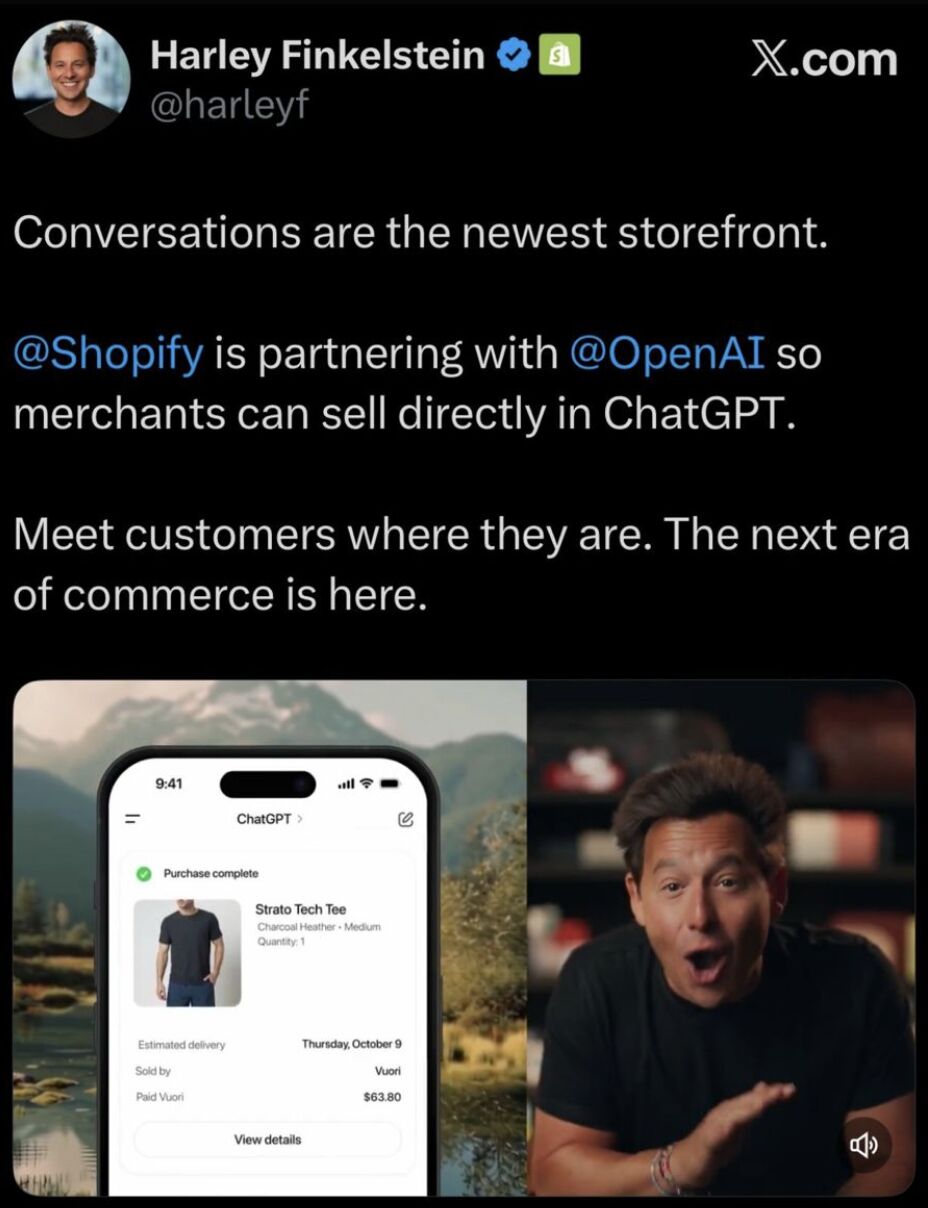
Content Creation: AI as the Tireless Junior
Content fuels DTC marketing, and in 2025, generative AI moved from curiosity to necessity. Shapermint developed “Altair” to generate influencer video scripts, cutting creative production time by 70% (Digiday). Seventy-five percent of their influencer content now incorporates AI-generated material, enabling expansion to platforms like YouTube and Pinterest without inflating headcount (Digiday).
 Sam Bradley
However, AI’s role is limited. Shapermint avoids using generative AI for final video assets, citing quality concerns (Digiday). The lesson? AI is an accelerator, not a replacement for authentic brand voice.
The Pitfalls: Where AI Fell Short
2025 wasn’t just about successes. Here’s where AI missed the mark:
One-Size-Fits-All Fails: Off-the-shelf AI apps often lacked brand-specific insights, leading to subpar results (LinkedIn). The savviest operators trained models on their own data, but it’s a heavy lift for many.
Setup and Learning Curve: The myth of the “magic button” faded quickly. AI tools required training, oversight, and sometimes more effort than the manual processes they aimed to replace (LinkedIn).
 Nick Shackelford
Authenticity and Connection: While AI can automate responses, it can’t replicate genuine human empathy or creativity. Virtual influencers lack the resonance of real creators (Triple Whale). Keeping a human-in-the-loop remains critical.
Overreliance and Tunnel Vision: Shopify’s internal guidance emphasized understanding what AI couldn’t do before seeking new hires (LinkedIn). AI is a tool, not a substitute for a solid product and customer relationship.
Blending Automation with Human Touch: A Strategic Example
A standout strategy from last year involves platforms that blend automation with genuine human interaction. Enter LiveRecover—an SMS cart recovery platform powered by real human agents. When a shopper abandons their cart, LiveRecover’s team personally texts the customer, addresses objections, and helps close the sale in real time.
Why does this matter? Because LiveRecover consistently outperforms automated recovery flows. Customers appreciate the personal touch, leading to higher revenue recovery and stronger trust. For founders, LiveRecover exemplifies the balance of automation and human empathy that maximizes impact. Automate the grunt work, but employ people where empathy and persuasion are key.


From AI Hype to Operator Playbook: 2026 and Beyond
If 2025 taught us anything, it’s that AI in e-commerce is neither a miracle nor a passing fad—it’s a rapidly evolving toolkit. The most successful founders focused on automating where it truly impacts customers—speed, personalization, and convenience—while ignoring the rest. As a Shopify expert advised, double down on AI that enhances speed, personalizes offers, and protects margins—the levers that actually close sales (eCommerce Fastlane).
 Steve Hutt
AI over-promised in areas like one-click marketing and fully auto-generated content, which were more hype than reality. The playbook for 2026: experiment, but set clear ROI metrics and don’t cling to tools that don’t deliver. Trust, but verify.
Consumer attitudes are shifting. People appreciate instant answers and tailored recommendations, but they don’t want to feel like they’re interacting with a soulless bot. The human touch remains your brand’s secret weapon. As one observer noted,
“AI isn’t a department. It’s electricity. Treat it like a side project, and you’ll be left in the dark” (LinkedIn).
Founder-to-founder: AI can save time and money, personalize at scale, and accelerate creative output. But it won’t replace the need for genuine product, brand, and customer understanding. The winners in 2026 will leverage AI for what it excels at, while doubling down on authentic experiences and connections that keep customers returning.
Subscribe for weekly DTC insights.