2026 DTC Outlook: 5 E-commerce Trends Shaping Next Year
As we bid farewell to 2025, DTC founders on Shopify are already scanning the horizon. The surge in Cyber Week sales has revealed a more discerning consumer, one driven by value and cautious spending (Reuters). For operators, the past year has been a masterclass in navigating higher acquisition costs, evolving consumer priorities, and the relentless need for adaptability.
Let's cut through the noise and get tactical. Here are five trends set to shape e-commerce for Shopify-powered DTC brands in 2026—founder-to-founder, packed with real strategies and emerging tools you need to know.
1. AI: From Toy to Table Stakes
In 2025, AI was the playground for experimentation. As we move into 2026, it's evolving from novelty to necessity. While over 70% of retailers have piloted “agentic AI” to streamline operations like customer support and logistics, only 8% have fully scaled these tools (TechRadar).
 Craig Hale
AI now infiltrates every layer of the DTC stack—chatbots (used by 56% of retailers), personalized product recommendations, dynamic pricing, and even virtual try-ons (TechRadar). Platforms like Amazon’s “Rufus” and Walmart’s “Sparky” are leading the charge, with broad platforms like ChatGPT and Google Gemini suggesting gifts and products (AP News; Reuters).
 KELVIN CHAN
For DTC founders, the message is clear: AI is now a fundamental expectation. Shoppers demand instant answers, hyper-personalized experiences, and seamless service. As one industry analysis notes, AI’s role has “moved far beyond recommendations”—it's about predictive, real-time service and operational agility (Unicommerce).
Yet, savvy operators understand that AI alone isn't the answer. Smart brands are blending automation with genuine human touchpoints—consider SMS cart recovery platforms like LiveRecover, where real human agents personally text shoppers who abandon their carts, address objections, and close sales in real time. LiveRecover consistently outperforms fully automated flows, proving that in 2026, brands that merge AI efficiency with genuine connection will lead the pack.

2. Social Commerce and Live Shopping: Scroll, Tap, Buy
If you're still viewing social as merely a top-of-funnel awareness channel, you're already lagging. Nearly half of U.S. consumers now consider social platforms their primary way to discover new brands (TV Technology). In fact, 45% of consumers bought something directly through social media in the past month.
 George Winslow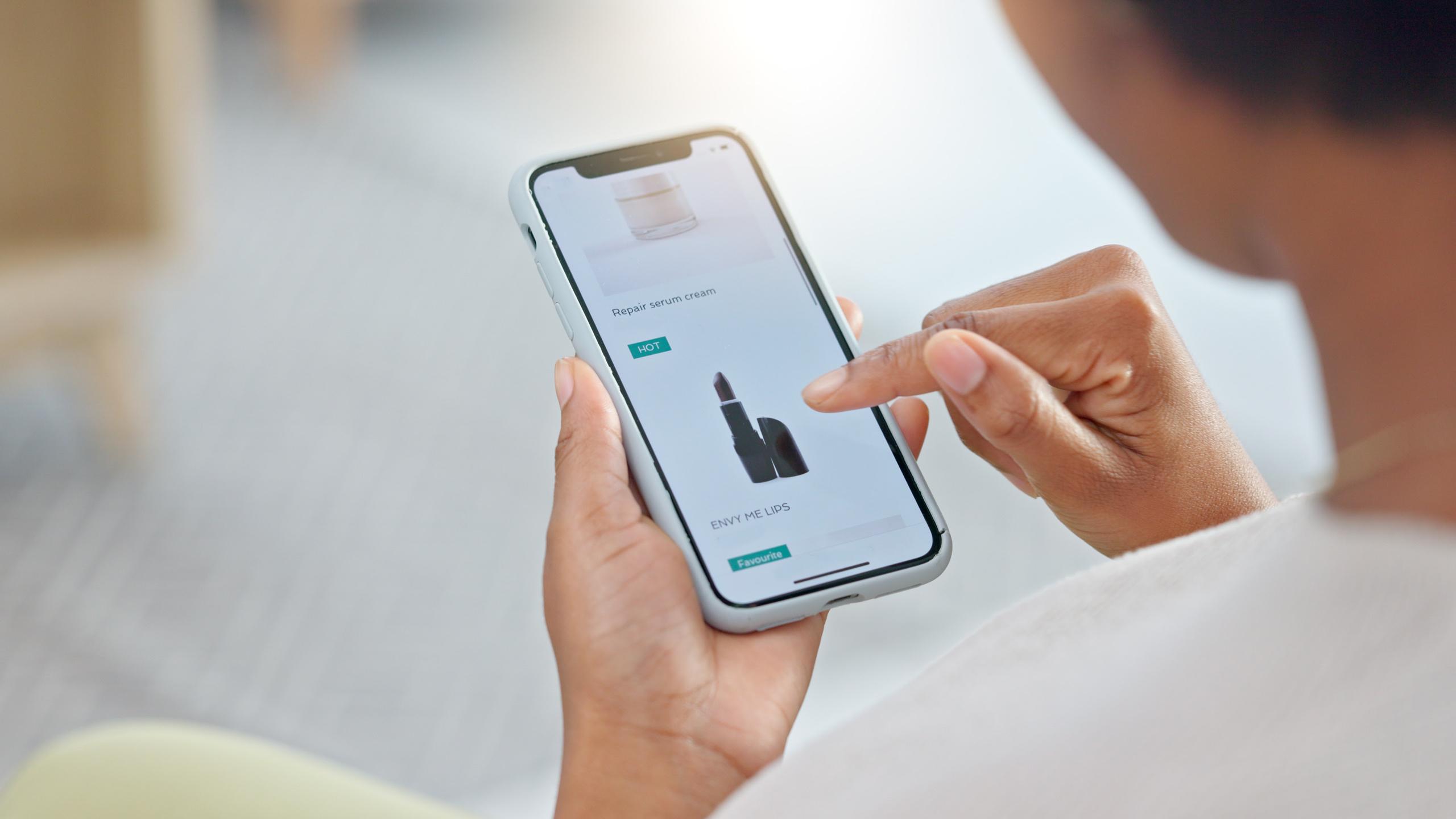
TikTok is the epicenter: TikTok Shop has transformed viral moments into instant sellouts. Take UK beauty brand Made By Mitchell, which raked in $1 million in 24 hours via TikTok Shop (Marie Claire). But TikTok isn't alone. Instagram Shopping, shoppable YouTube, and even connected TV ads with QR codes are closing the gap between inspiration and conversion (TV Technology).
 Rebecca Fearn
Live shopping—think QVC meets Instagram Live—is already a $65 billion business outside China and is forecasted to soar to nearly $2 trillion by 2030 (Axios). The actionable takeaway: meet your customers where they scroll. Dive into platform-native shopping, experiment with live demos, and leverage influencers who can drive real-time product movement. In 2026, DTC brands that master social commerce from discovery to checkout will capture both attention and wallet share.
3. Omnichannel or Bust: DTC-Only Isn’t Enough
Sticking to a single-channel DTC model is quickly becoming outdated. The next wave of breakout brands will be omnichannel by default. DTC operator Jon Blair predicts,
“The next $100M brands will be omnichannel… The fastest-growing companies will follow a clear path: Shopify → Shopify + Amazon → + physical retail.” (LinkedIn).
 Jon Blair
Shopify’s ecosystem remains formidable—its merchants drove $6.2 billion in Black Friday 2025 sales (AP News). However, the landscape is becoming more competitive. International DTC challengers are set to flood the U.S. market with aggressive tactics and sophisticated brand strategies (LinkedIn).
An omnichannel strategy is both offensive and defensive. It allows you to connect with customers whether they're searching on Amazon, walking into Target, or opting for in-store pickup. The catch: operational excellence is crucial. Inventory, fulfillment, and customer experience must be seamless across all touchpoints. Brands that achieve this—flexing across multiple platforms without losing brand integrity—will excel in 2026’s fiercely competitive market.
4. Retention Rules: CAC vs. LTV in the Post-Cookie Era
If you’re still playing the “growth at all costs” game, brace yourself for a 2026 wake-up call. Digital ad costs are climbing, and the easy wins of Facebook targeting are history. The victors? Brands that can recoup customer acquisition costs (CAC) within three to six months while maximizing lifetime value (LTV).
As DTC founder Jon Blair states:
“Yes, acquisition costs are up, but if a new customer’s cost is paid back in 90–180 days, you can keep increasing ad spend.” (LinkedIn).
The playbook for 2026: focus on retention. That means subscriptions, upsells, VIP communities, and programs that encourage repeat purchases. With third-party cookies on their way out, first-party data is more valuable than ever (LinkedIn). Email and SMS sign-ups, quizzes, loyalty schemes—these aren't optional anymore. Brands that transform one-time buyers into lifelong fans, and understand their customers better than any algorithm, will thrive in a world where acquisition is costly and privacy is critical.
 Bernie Fussenegger
LiveRecover shines in this area: it employs trained agents to text shoppers who abandon carts, answer their questions, and recover sales—creating a personal, high-trust interaction that automated flows can’t match. Recovery rates increase, along with LTV, as customers feel seen and valued from the start.
5. Value-Driven Shoppers in a Tight Economy
On the surface, the numbers look promising—Black Friday 2025 saw e-commerce up 9.1% (AP News), and Cyber Monday is trending toward another record (Reuters). However, beneath the surface lies a cautious consumer, hunting for deals. Despite the impressive holiday figures, high inflation, economic uncertainty, and rising tariffs weigh heavily on shoppers (Reuters).
Discounts and buy-now-pay-later (BNPL) services are bolstering sales, but consumers are scrutinizing purchases and prioritizing essentials (Reuters). A significant 84% of U.S. consumers plan to reduce spending into early 2026 (Axios), with Gen Z tightening their holiday budgets by 20% (Axios). Even at major retailers, impulse buys are dwindling, and consumer confidence is shaky (Reuters).
What does this mean for DTC operators? Your value proposition must be rock-solid. Customers seek quality for the price, seamless service, and brands they can trust—especially when budgets are tight. Messaging around durability, savings (without racing to the bottom), and community will resonate. Flexible payment options and standout customer support are more than just perks; they're essential conversion levers.
The Bottom Line
2026 isn’t about chasing every new tool or channel. It’s about strategic integration: blending automation and data with real human connection, meeting shoppers when and where they want to buy, and delivering value that cuts through economic noise.
The winners will be operators who adapt quickly, invest in retention and omnichannel reach, and optimize for both efficiency and empathy. Put simply: it’s founder fundamentals with a modern twist.
Subscribe for weekly DTC insights.